African Oil Palm Seeds Grenada Farmers Plant Are Destroying Soil Faster Than Hurricanes
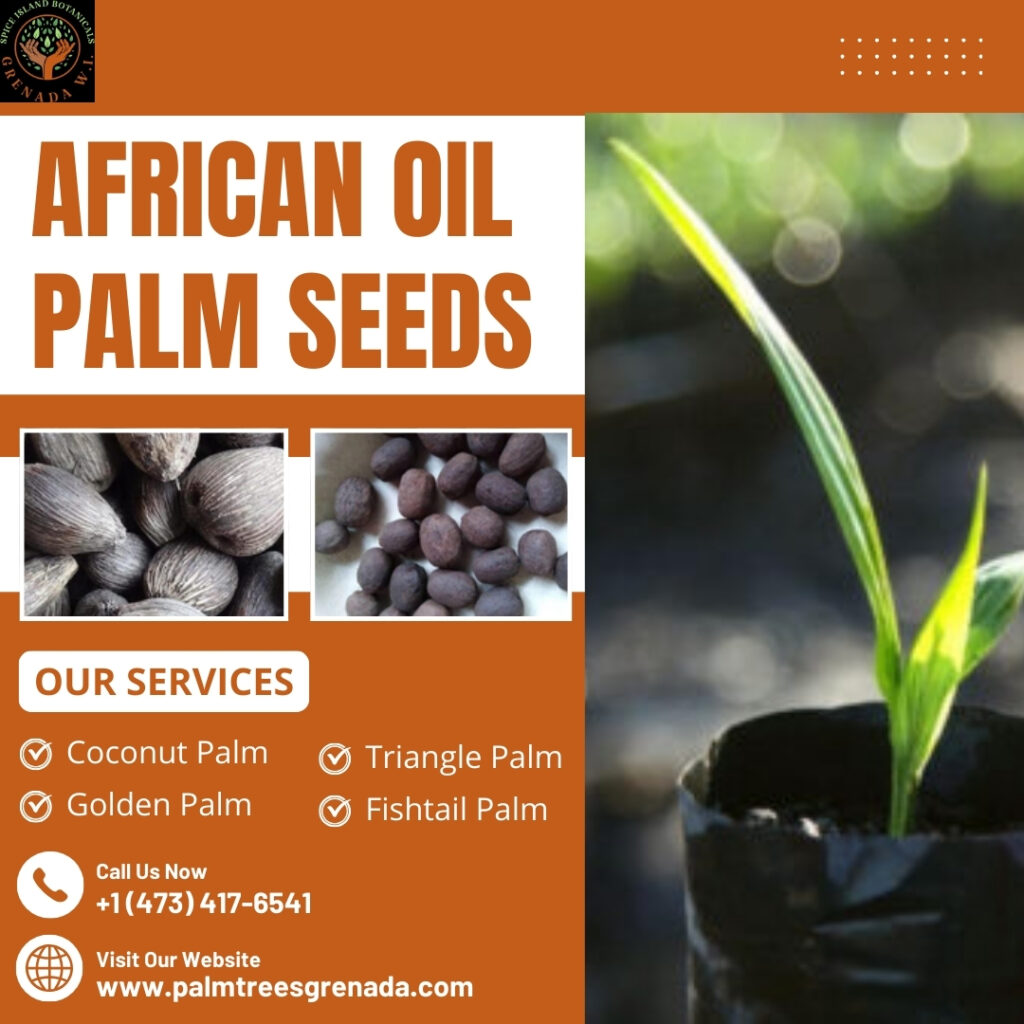
The African Oil Palm Seeds Grenada Programs lead to soil degradation because they promote deforestation for their agricultural development. The fast-growing trees produce high yields through their soil nutrient consumption which exceeds the natural capacity of native Caribbean plants.
The African Oil Palm Seeds Soil Chemistry Problem
African oil palms evolved in mineral environments very different from Caribbean soils. While they can grow in Grenada’s climate, their nutrient demands are extremely high.
These trees extract nutrients faster than tropical rainfall can naturally replenish them. By the fourth year, fertilizer requirements increase sharply.
Without aggressive nutrient replacement, soil fertility declines.
Agricultural programs often highlight yield projections, but they may not fully explain long-term soil chemistry changes or rising fertilizer dependency.
The result? Short-term gain, long-term soil exhaustion.
How African Oil Palm Seeds Grenada Farmers Buy Create Long-Term Costs
The seed vendors presenting to Grenadian farmers show yield projections without showing fertilizer cost projections. The growth curves reach their maximum because they depend on complete nutrition, which requires purchasing chemical products that cost more than the expenses from hurricane damage.
Conclusion
The agricultural future of Grenada requires Caribbean soil chemistry suitable crops instead of crops that need soil chemistry adjustments. African oil palm seeds lead your island to face a 30-year battle against its natural growing conditions.
Are you trying to find the best solutions for your African Oil Palms Grenada? Contact Spice Island Botanicals today.